
Insulation Before & After in San Diego, CA
Photos tell the truth faster than any brochure. Here’s what we’ve seen in San Diego attics over the years: crushed fiberglass, missing coverage, and heat pouring through ceilings in places like Clairemont and Rancho Bernardo. Each project below shows the starting condition, what we did about it, and what changed afterward. Real jobs, real attics, real results.
Recent Transformations
Attic Insulation Removal and Replacement in North Park
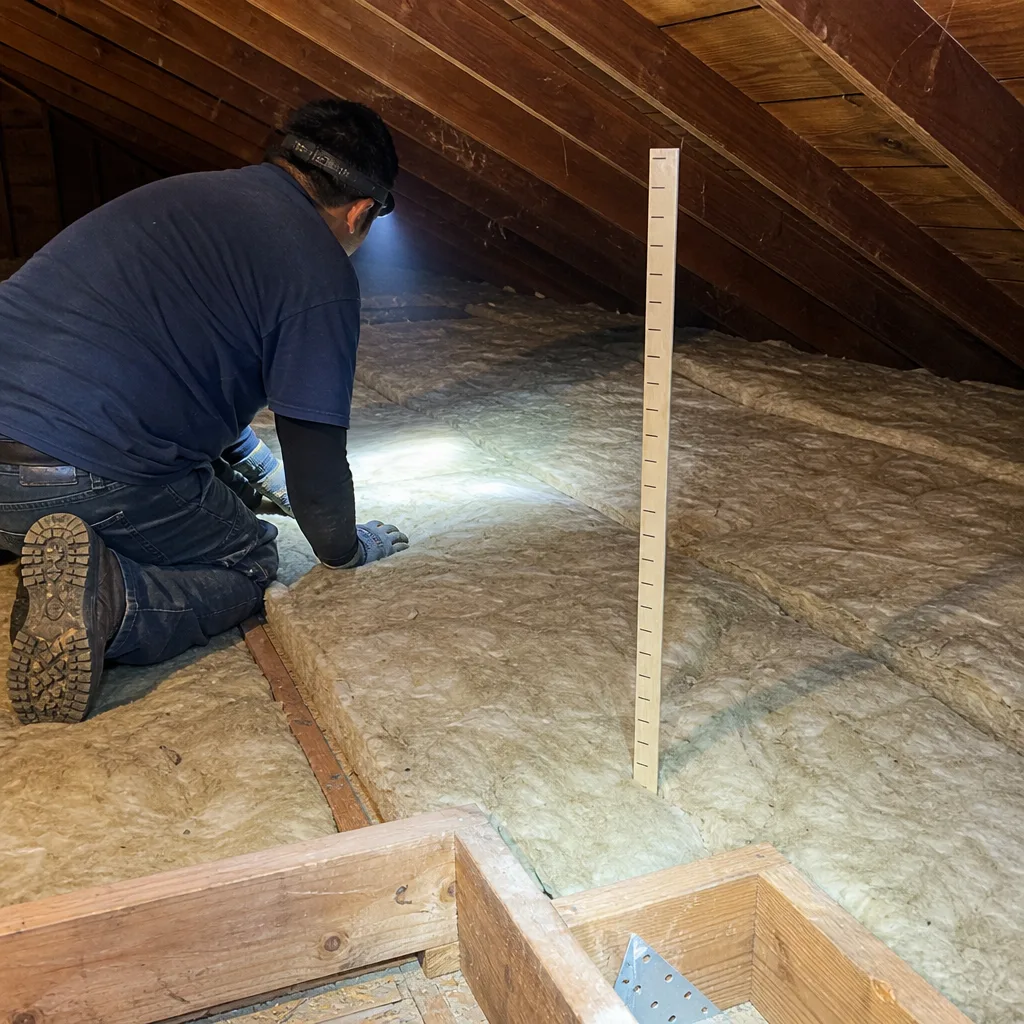
The attic in this 1940s North Park bungalow had original insulation that had compacted to less than two inches in most spots. Dust and rodent droppings had worked through the whole layer, and the homeowner said the back bedroom never cooled below 82 degrees in August. We removed the old material, air-sealed the top plates and penetrations, and blew in fresh Owens Corning fiberglass to R-38. The bedroom now holds 74 degrees on the same August afternoons, and the homeowner told us the AC no longer runs from noon to midnight. Nights are quiet now too.
Spray Foam Attic Upgrade in La Mesa
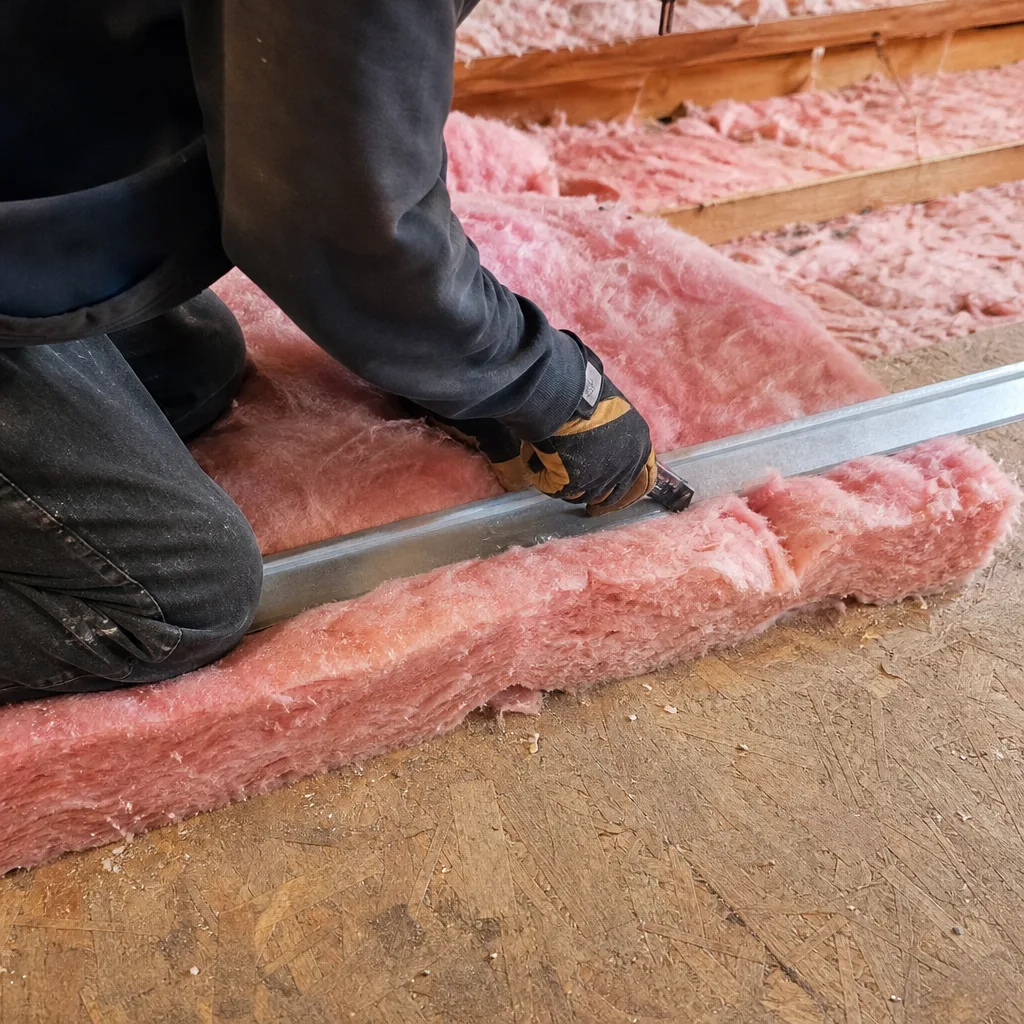
This La Mesa rancher had fiberglass batts stuffed between the joists, but air moved freely through the gable vents and around the recessed lights. The HVAC ducts ran through the attic, so the cold air coming out of the registers was warming up before it reached the bedrooms. We applied Demilec spray foam insulation to the roofline, which is a two-part liquid that expands on contact and seals the space airtight. The attic stayed within five degrees of the living space during the next Santa Ana stretch, and the homeowner’s summer SDG&E bill dropped just under thirty percent.
Attic Insulation Top-Up in Chula Vista
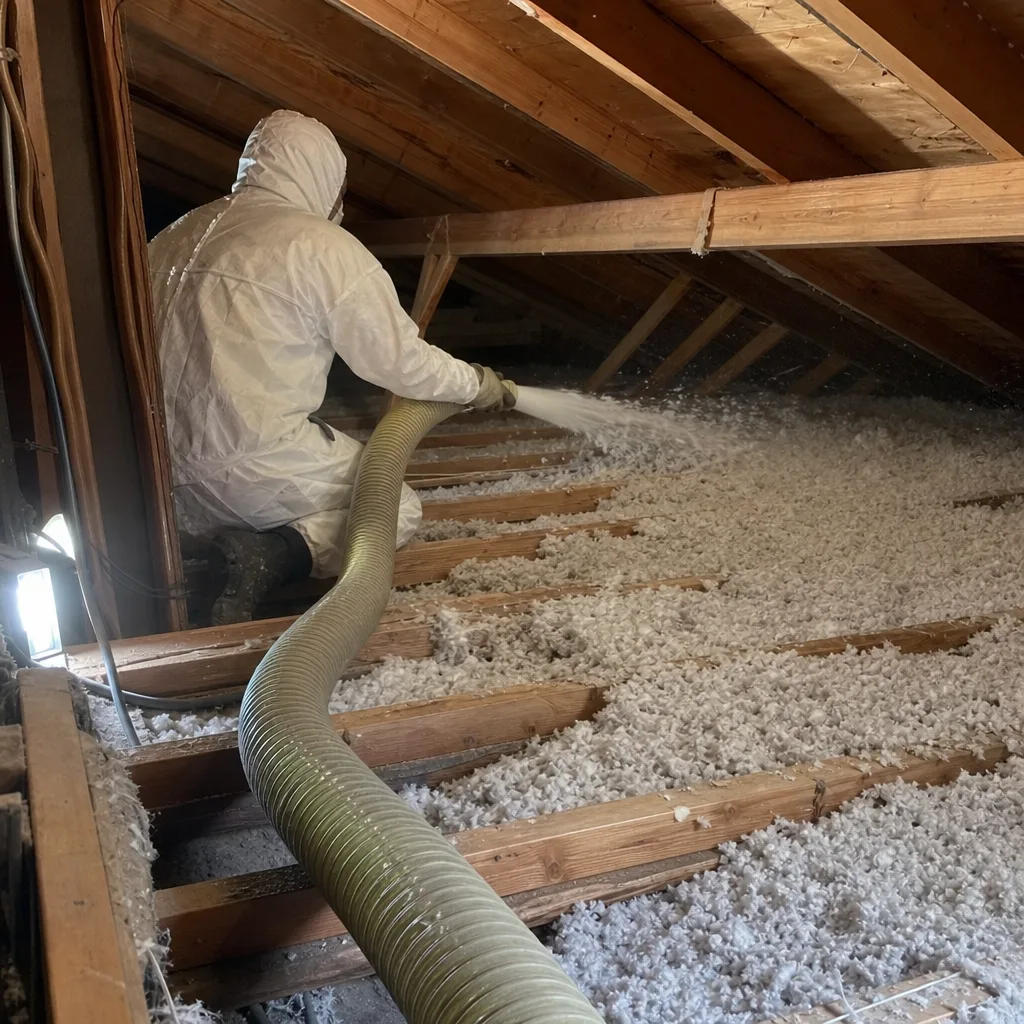
In this Chula Vista two-story, the builder had laid R-19 batts but skipped entire bays around the perimeter. We could see the drywall from the attic hatch. The second floor ran six to eight degrees warmer than the first floor every afternoon. We topped the existing batts with GreenFiber blown-in cellulose to bring the total to R-38, and we flagged the bathroom fan vent that was discharging directly into the soffit. The homeowner felt the difference within a day, especially in the southwest-facing guest room that nobody used because it was too hot to touch.
Spray Foam Crawl Space and Rim Joist Job in Point Loma
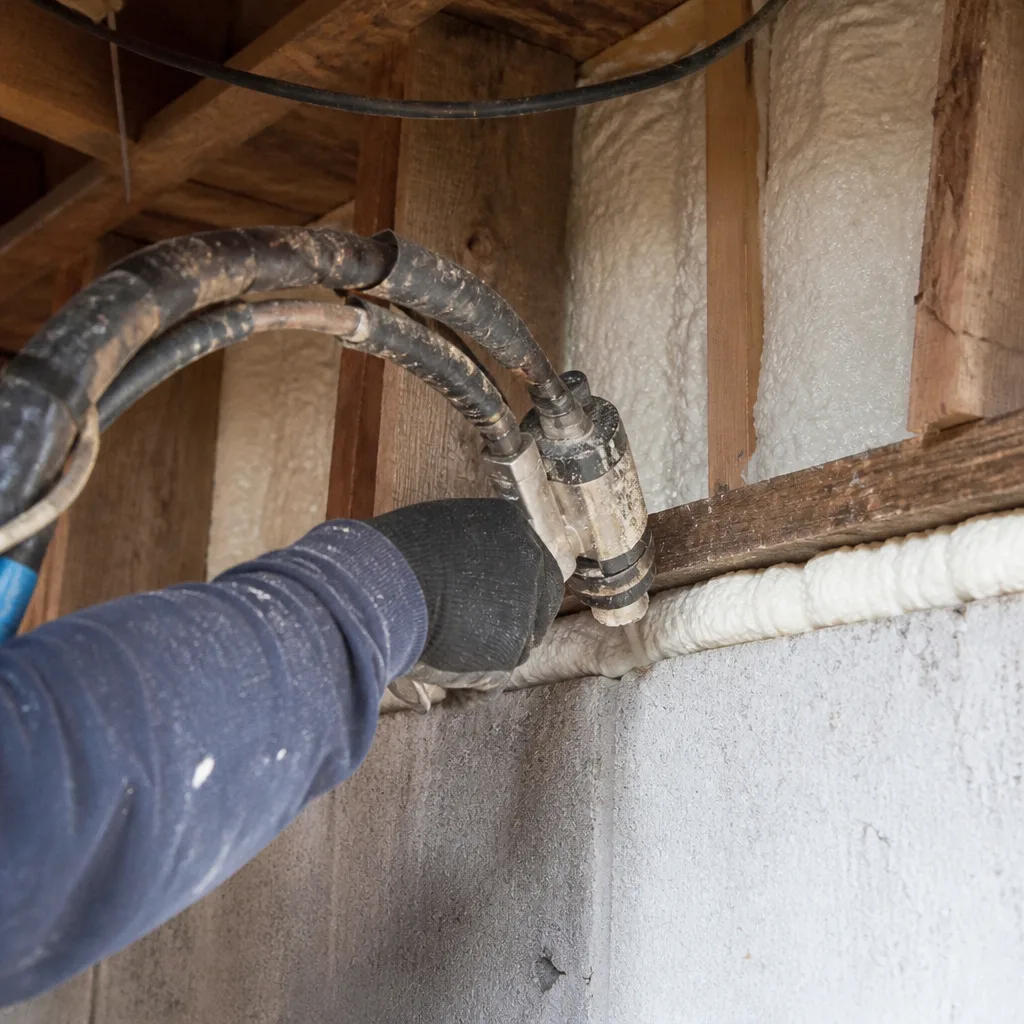
Point Loma homes sit close to the marine layer, and this one had cold floors all winter. The fiberglass under the floor had absorbed moisture and sagged away, leaving the subfloor exposed. The rim joist, the board that runs around the perimeter of the house, had zero insulation behind it. We removed the wet material and applied Icynene spray foam to the rim joist and a section of the subfloor. The floor stopped feeling like tile even though it was hardwood. The homeowner said the furnace kicks on half as often on cloudy days, which in Point Loma is most of June.
Attic Air Sealing and Insulation in Escondido
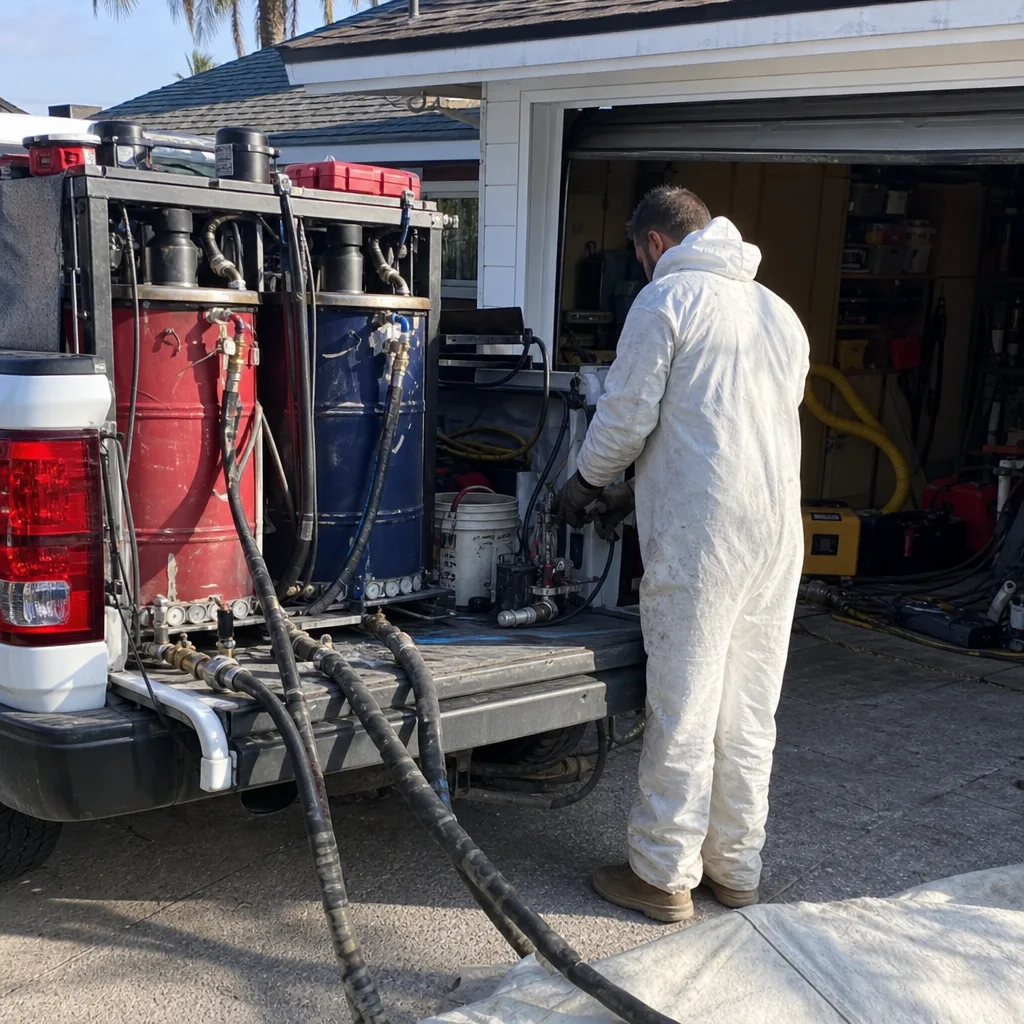
This Escondido house had decent insulation, but the attic leaked air from every opening. The recessed light cans were not insulation-contact rated, so the blown-in insulation had been pulled back in a three-foot radius around each one. The whole-house fan louver didn’t seal. Hot air from the attic poured into the house every afternoon, and cool air escaped the same way at night. We installed covers around the lights, sealed the fan opening, foamed the plumbing and electrical penetrations, and then blew Knauf fiberglass to R-38 over the top. The house held its temperature longer after the AC shut off, and the dust in the hallway from the attic stopped showing up on the baseboards.
Spray Foam Insulation for a Bonus Room in Poway
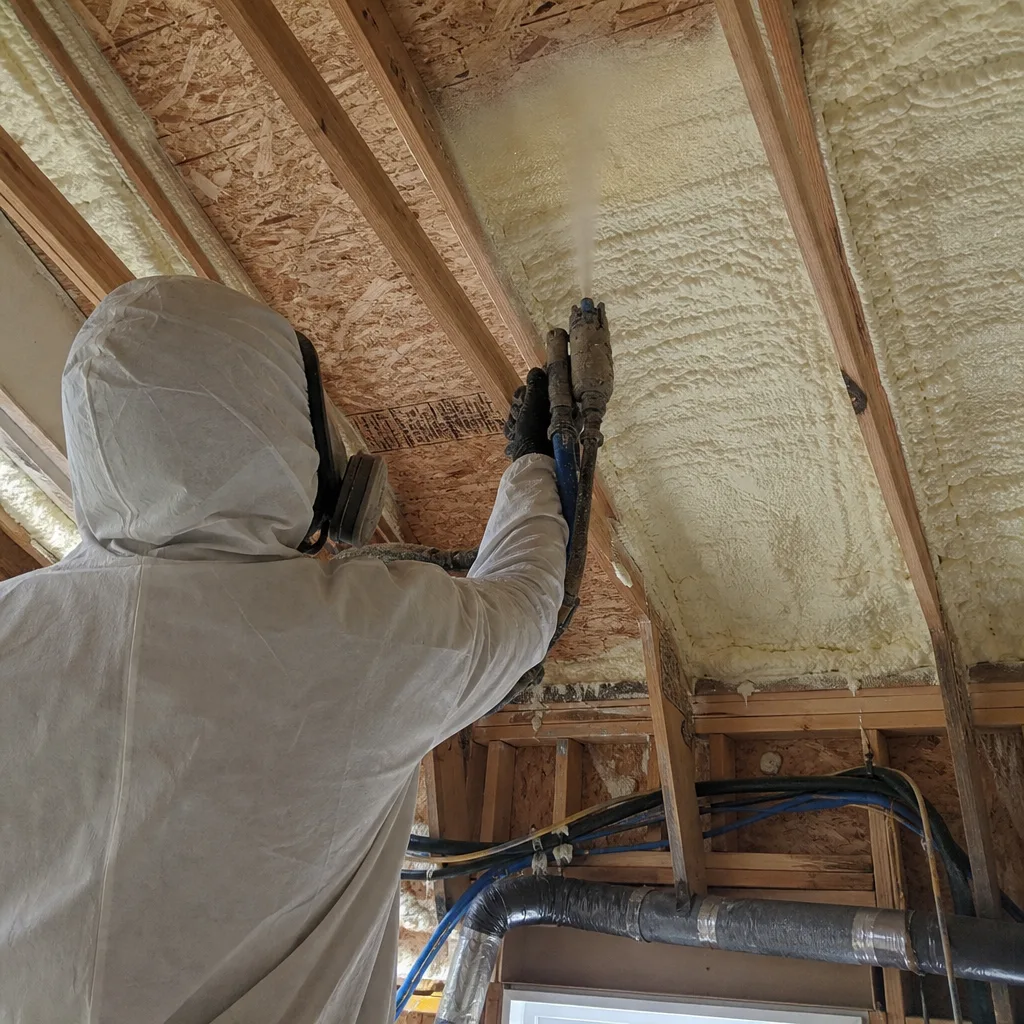
The bonus room over this Poway garage was the hottest room in the house. The roof deck had no insulation at all, just shingles, plywood, and a hot void. The homeowners used it as storage because nobody could sit in there after ten in the morning. We applied CertainTeed spray foam insulation directly to the underside of the roof deck. The room now stays within four degrees of the rest of the house, and the family uses it as a home office. Glenn Hartley walked this one himself: he measured the roof deck at 138 degrees before we started, and at 91 degrees when we finished the same afternoon.
Want Results Like These?
We’ve been doing this in San Diego since 2002, and every project starts with a written price before any work begins. No surprises, no door-step upsells. Call Woolsey Insulation San Diego at (619) 344-8538 and a live person will answer, day or night. Tell us what rooms are too hot or too cold, and we’ll tell you what’s going on up there.
Written by Glenn Hartley, Owner at Woolsey Insulation San Diego, serving San Diego since 2002.